
Equality, non-discrimination, and intersectionality
“While any proposed plan or direction may appear admirable in theory, its implementation, devoid of participation from a diverse representation of First Nations, Inuit, and Métis Peoples with disabilities, results in the marginalization and exclusion of our most vulnerable populations.”
Indigenous Disability Canada
Since the launch of the Action Plan, there have been ongoing efforts to ensure that implementation is reflective of gender and other forms of diversity. A gender-inclusive and intersectional approach to implementation means ensuring that the priorities and recommendations of Indigenous women, Elders, children and youth, 2SLGBTQI+ persons, and persons with disabilities inform the advancement of APMs impacting their rights.
This year’s annual report builds on Indigenous learnings and wise practices in reporting on implementation progress in a culturally relevant, gender-based and intersectional way. It weaves in Indigenous partners’ gender- and diversity-based perspectives. This broad and inclusive focus helps to amplify Indigenous partners’ gendered and intersectional recommendations for implementation, while reporting on federal progress in upholding all Indigenous rights under the UN Declaration Act.
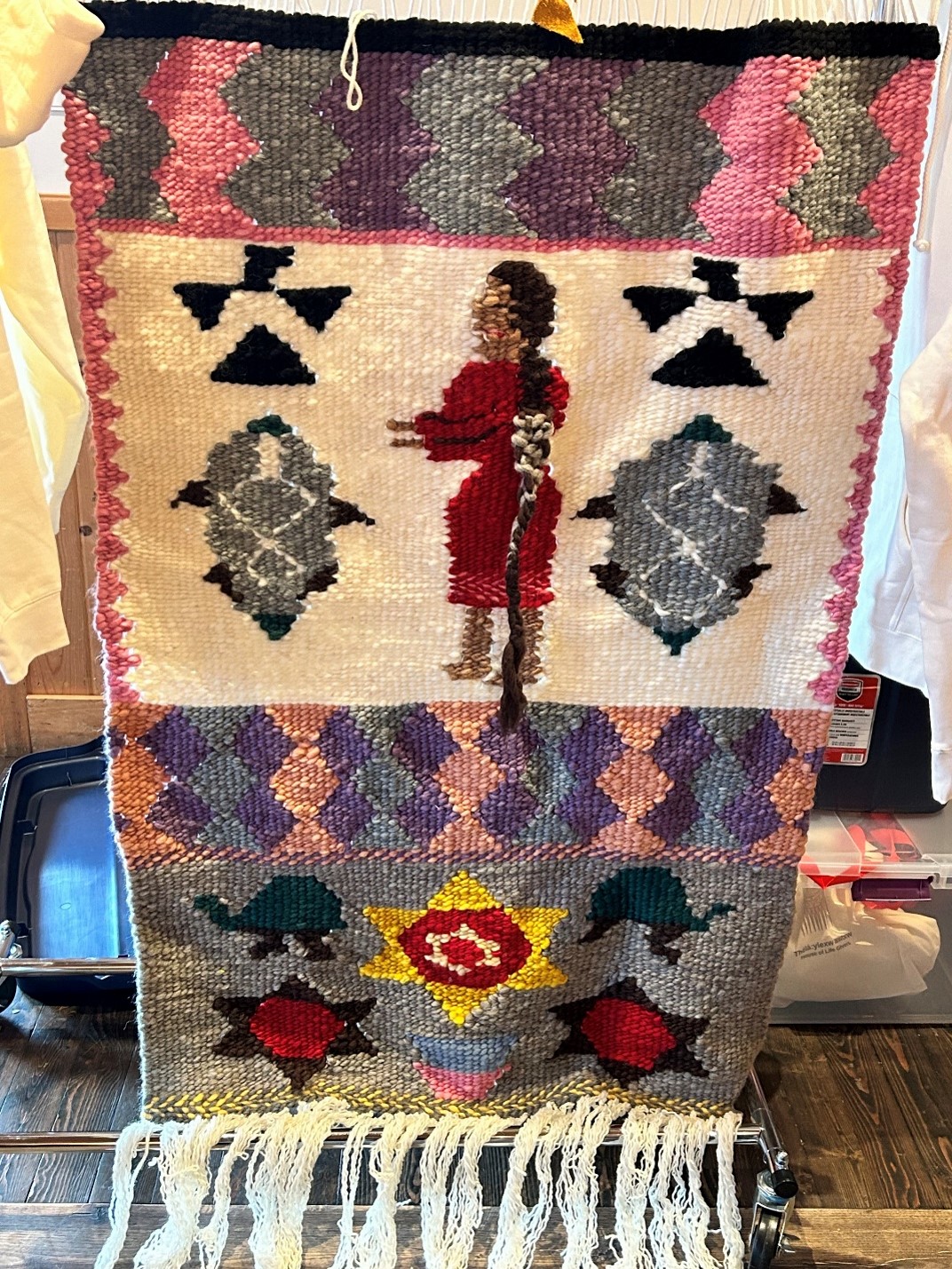
Federal actions to address anti-Indigenous racism, discrimination and violence
Several federal legislative, policy and program initiatives referenced in the Action Plan reflect gender-based and intersectional considerations, as they seek to address the diverse needs of Indigenous women, Elders, children and youth, 2SLGBTQI+ persons, and persons with disabilities.
Federal departments, through a wide array of approaches, welcome participation from Indigenous women, Elders, youth, 2SLGBTQI+ persons, and persons with disabilities, in implementing their respective APMs. Several departments embed Gender-based Analysis Plus (GBA Plus) considerations in the drafting and review processes of legislation and regulations that intersect with section 5 of the UN Declaration Act. Departments have integrated, to varying degrees, GBA Plus into their initiatives and programs that impact the rights of Indigenous peoples.
Federal departments have relationships, engagement and consultation frameworks aimed at ensuring the inclusion of diverse perspectives, particularly from Indigenous women, youth, and 2SLGBTQI+ persons. Federal tools and training materials are aimed at enhancing the capacity of federal officials to address systemic barriers faced by Indigenous peoples in all their diversity.
“The safety, dignity, and well-being of Indigenous women and gender-diverse people must be prioritized. Indigenous women and gender-diverse people deserve equal safety, respect, and dignity in all spaces. Challenging and eliminating gender-based violence—including bullying, harassment, sexual assault, lateral violence, and intimidation—strengthens communities and affirms the inherent worth and leadership of all Indigenous women. By addressing these harms, we create workplaces, homes, and public spaces where Indigenous women and gender-diverse individuals can thrive, lead, and live free from fear.”
Les Femmes Michif Otipemisiwak
All federal departments are required to report annually on program impacts with a GBA Plus analysis. These analyses can be found in each department’s Departmental Results Report. Additionally, several federal departments are reporting progress in applying a GBA Plus framework to key initiatives with particular gendered or intersectional impacts, including:
- National Action Plan to End Gender-Based Violence
- Federal Pathway to Address MMIWG2S+
- National Strategy to Combat Human Trafficking
- Community-based, trauma-informed projects to combat and prevent human trafficking and to support survivors and their families, targeted to Indigenous peoples
- Urban, Rural and Northern Indigenous Housing Strategy
- Indigenous Health Equity Fund to improve access to culturally safe health care and support Indigenous health priorities
- Canada Early Learning and Child Care Act incorporating Indigenous perspectives in implementation
- Indigenous Women Entrepreneur program and the Indigenous Youth Entrepreneur program
- Canada Disability Benefit Regulations and Indigenous consultations (document available in PDF format only)
- Indigenous Screen Office Program supporting Indigenous-led storytelling
Departments also highlighted the importance of tailored information sharing and engagement strategies to account for the unique needs and perspectives of diverse groups of Indigenous peoples.
Departments have also continued working on initiatives to address anti-Indigenous racism. Of particular note, are efforts by the First Nations and Inuit Health Branch within Indigenous Services Canada through the Addressing Anti-Indigenous Racism initiative. Budget 2024, announced an additional $167.6 million over the next five years, starting in 2024-2025, to renew efforts to combat anti-Indigenous racism in Canada's health systems. This will help foster health systems free from racism and discrimination and ensure Indigenous peoples are treated with the respect and safety they deserve. The renewed funding for this initiative will continue to support patient advocates, health system navigators, midwives, and birth support workers, as well as initiatives to increase Indigenous representation in the health profession. Funding has been allocated for 2024-2025 to support Indigenous-led projects that provide direct supports to Indigenous patients to navigate and access the health system in a culturally safe and relevant manner, and work to address racism at the national systems-level.
Canada’s commitments to implement the human rights of Indigenous persons with disabilities is addressed in part through its policies and programs to implement human rights treaty obligations, including the UN Convention on the Rights of Persons with Disabilities.
Indigenous perspectives: addressing anti-Indigenous racism through a gendered and intersectional lens
The Action Plan’s Shared Priorities Measures 4 and 5 relate to Canada’s Anti-Racism Strategy, and community initiatives to combat anti-Indigenous racism. These two measures are interconnected. The government is committed to supporting community-based initiatives to combat anti-Indigenous racism, and in turn relies on Indigenous voices and perspectives to help inform Canada’s Anti-Racism Strategy.
For Indigenous peoples with historically marginalized identities, a transformative approach to UN Declaration Act implementation begins with federal recognition that these diverse populations:
- Face unique challenges and barriers in exercising their rights on an equitable basis
- Experience differential, compounding and exacerbating impacts from colonial and discriminatory policies due to their intersecting Indigenous identities
- Have unique needs that require special measures for them to experience the full and equal enjoyment of their individual and collective rights under the UN Declaration
Indigenous partners representing historically marginalized identities have recommended community-based, culturally relevant, and collaborative approaches that prioritize diverse voices and perspectives. They note that applying intersectional approaches to community-driven initiatives can help to address the specific needs of diverse populations and create space to meaningfully address systemic barriers and challenges to exercising their rights under the UN Declaration.
Indigenous partner organizations representing Indigenous women and diverse Indigenous persons’ approach of “nothing about us, without us” outlines conditions required for inclusive implementation, including that:
- Federal approaches to implementation include fair and equitable consultation frameworks that include Indigenous peoples in all their diversity
- Government intentionally holds space for gendered and intersectional perspectives and recommendations for implementation
- In aligning federal legislative, policy and program initiatives with the UN Declaration, the government prioritizes the voices of those Indigenous persons most affected and potentially harmed by government action or inaction
- Technical and financial supports to Indigenous partners are distributed equitably and transparently, without preferential treatment to national political organizations that rely on distinctions-based approaches, an approach that currently serves to exclude gendered and intersectional perspectives
- Indigenous communities and leaders co-develop indicators of implementation progress and report on them regularly using accessible, Indigenous-centric formats and media
“UNDRIP is a transformational declaration and obligation to meaningfully decolonize Canada. This requires addressing colonial violence, injustice, and inequality. These concerns must be brought to the forefront of all discussion about UNDRIP.”
Pauktuutit Inuit Women of Canada
“While the UNDA Action Plan acknowledges the importance of an intersectional and inclusive strategy, there are shortcomings in how it meaningfully addresses the unique experiences of Indigenous women, elders, youth, children, 2SLGBTQIAA+ people, and individuals with disabilities. The commitment to Gender-Based Analysis Plus and the social determinants of intersecting identities is important, but to be meaningful, it must be more than a stated principle—it must become concrete, measurable actions that address directly systemic violence, racism, and discrimination against these groups.”
L’nuey
Truth and Reconciliation Commission and the National Inquiry into Missing and Murdered Indigenous Women and Girls
Many of the APMs support the Government of Canada’s effort to respond to the 94 Calls to Action (CTAs) of the Truth and Reconciliation Commission (TRC) and the 231 Calls for Justice (CFJs) of the National Inquiry into Missing and Murdered Indigenous Women and Girls (MMIWG2S+) that fall under federal or federal-shared responsibility.
The work on CTAs aims to foster long-term change that reflects Indigenous self-determination and supports sustainable, culturally appropriate responses to past harms. The government is building a robust foundation for continued engagement, ensuring that the TRC recommendations lead to real changes in different areas, while also focusing on the specific needs of each community, especially in areas like justice, health, education, child welfare, and language and culture, as highlighted in the CTAs themes.
The Government of Canada continues to work in collaboration with Indigenous partners, leaders, governments and organizations to find concrete ways to implement the CFJs and follow through with the commitments in the Federal Pathway to Address Missing and Murdered Indigenous Women, Girls and 2SLGBTQQIA+ People (Federal Pathway). The UN Declaration affirms that special attention must be given to the rights and needs of Indigenous women, and that governments need to work with Indigenous peoples to ensure Indigenous women and children are protected against all forms of violence and discrimination.
The Government of Canada collaborated with Indigenous partners to develop the Indigenous Justice Strategy (IJS), demonstrating the kind of transformational change needed both within the justice system and at the community level. The IJS aims to improve access to justice for Indigenous women, girls, and 2SLGBTQI+ people, while also addressing the overrepresentation of Indigenous peoples in the criminal justice system. The IJS was publicly released on March 10, 2025, and directly addresses SP28, while also advancing responses to CTAs 30, 31, 32, 35, 36, 37, 38, 40, 42, 50 and CFJs 1.4 5.1-5.25, 9.1, 9.2.
Although the Government of Canada has made progress on over 85 percent of the CTAs under federal or shared responsibility, Indigenous partners expressed concerns regarding the progress of implementation. Many Indigenous partners feel that efforts have not translated into meaningful change, with submissions indicating that systemic barriers continue to hinder advancement. There is a sentiment among Indigenous partners that systems continue to marginalize Indigenous peoples, particularly in areas related to health, safety, and economic stability.
The violence faced by Indigenous women, girls, and Two-Spirit individuals remains a critical issue, with many partners noting that the systemic violence and discrimination they experience have not been adequately addressed. Implementation of the CFJs have been described as slow and insufficient. Moreover, the lack of progress is viewed as a continuation of the historical injustices faced by Indigenous communities. Furthermore, Indigenous women’s organizations have told us that they continue to operate without core and sustainable funding required to provide culturally relevant services to Indigenous women and their families despite CFJ 1.8.
Indigenous partners continue to call for a renewed commitment from the government to ensure that the APMs, CTAs and CFJs are actively implemented in a way that respects Indigenous rights and sovereignty, fostering a collaborative approach that prioritizes Indigenous voices and lived experiences.
“If we are to achieve sustainable change, then we need to deconstruct the current systems that perpetuate violence and discrimination against Indigenous women and reconstruct Indigenous women’s leadership, voices, honour and empowerment.”
Ontario Native Women’s Association
Department of Justice Canada
- Date modified: